Is Onimusha: Way of the Sword a Soulslike? Difficulty Explained
Updated September 6, 2026 · Facts cross-checked against the sources listed below
The official answer, in the director’s words
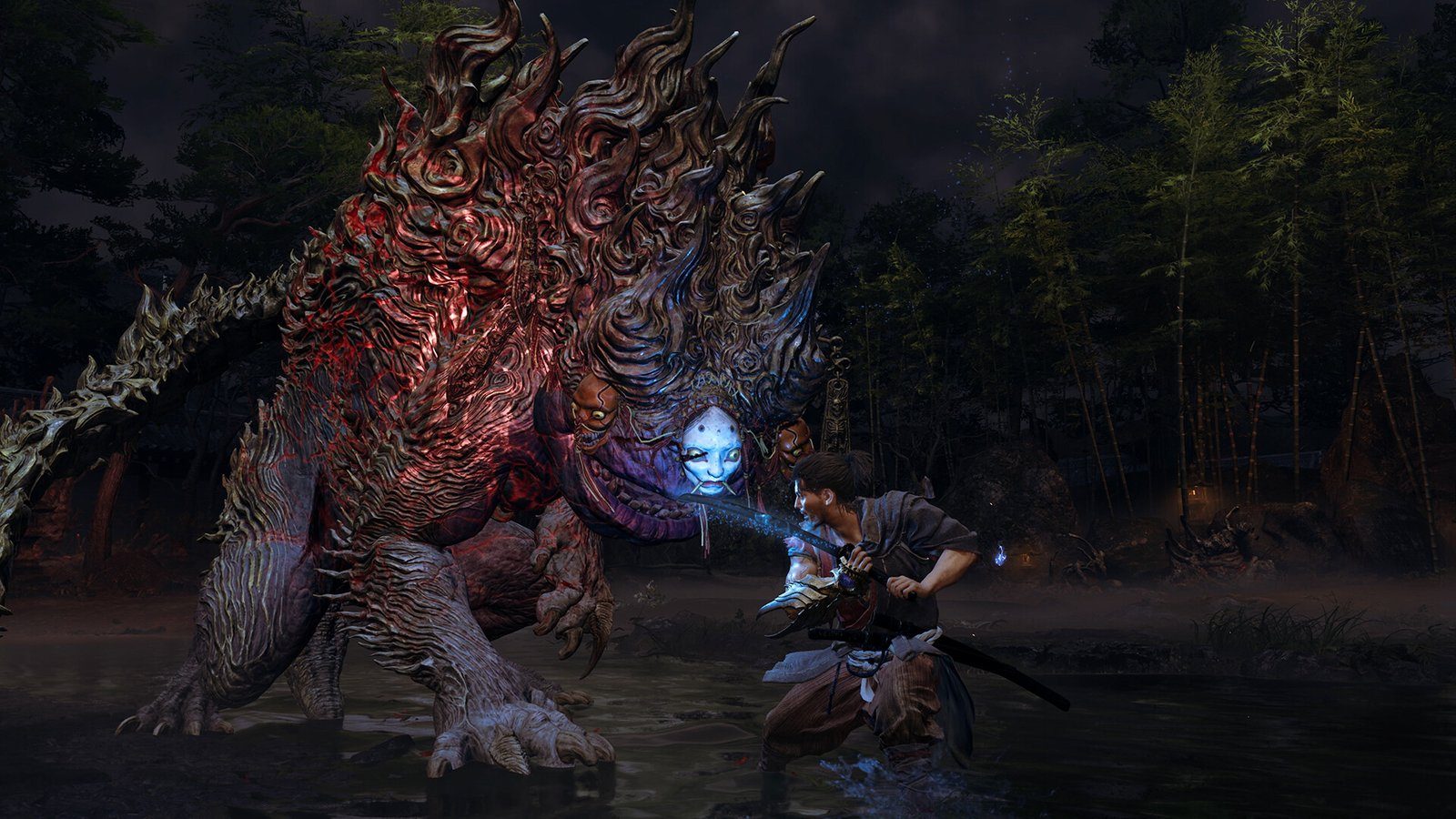
Capcom has been unusually direct. Director Satoru Nihei told AUTOMATON the game “isn’t an open-world game, and it certainly isn’t a punishing die-and-retry (soulslike) game either,” positioning it instead as a straight-line evolution of what Onimusha has always been: a swordplay action game. His stated design goal is inclusive: games are expensive, and he doesn’t “want to make a game that you can’t enjoy until the end” — players who struggle with action games should be able to finish with some effort.
Why everyone asks anyway
Because from a screenshot it pattern-matches: a lone swordsman, stamina bars, parry timing, executions, soul pickups. The demo dispelled it for most testers — the rhythm is faster, levels are stage-based (with a wider “open-town” Kyoto hub later, per the director), death is cheap, and the game never withholds progress behind mastery. One German outlet titled its demo report “I am just happy that it is not a soulslike.” The systems that look borrowed — posture damage, executions — resolve through the Issen family, which is closer to classic Onimusha than to FromSoftware.
Difficulty options: Story, Action — and Carnage
| Mode | Who it’s for | What actually changes |
|---|---|---|
| Story | Narrative-first players, action newcomers | Clearer on-screen prompts and more lenient input windows — parries and Issen trigger more easily. Explicitly not just an enemy-stat nerf. |
| Action | The intended standard experience | Full timing demands as designed |
| Carnage (post-game) | The players who wanted the demo harder | Unlocked by finishing the game — reviews describe deaths in a few hits with enemy aggression turned up, plus exclusive rewards. Push Square’s one complaint: you can’t pick it from the start. |
| Custom sliders | Everyone (added for launch) | Finer per-parameter adjustment, announced after demo feedback ⚠ parameter list not yet published |
The “too easy” controversy, honestly told
After the demo crossed a million downloads, Steam threads like “Way too easy....” piled up: regular enemies wait politely and hit softly. Producer Akihito Kadowaki’s video response conceded the point while explaining it — the demo is an early slice with late-game skills pre-unlocked — and promised the final game’s bosses and regular Genma will fight harder. Worth adding the counterweight: the demo’s Ganryu boss duel is no pushover, and even Capcom’s own dev-diary acknowledged many players found him hard. The fair read going into launch: easy crowds, real bosses, with sliders to tune either way.
The launch reviews (August 31) settled the argument almost exactly on that line. GamesRadar leads with “It’s no Sekiro” — meaning accessibility, not quality — while the universal praise lands on the boss duels, which Kotaku compares to Punch-Out!! at its best and Push Square ranks among PS5’s finest. The critics’ actual complaint is the opposite of “too hard”: several found the regular encounters too thin to justify their number. Boss ceiling high, crowd floor low — exactly what the demo predicted.
Versus the other samurai games
- Vs Sekiro: the parry comparison is earned — TechRaptor called it the best since Sekiro — but the structure differs: Parry, Deflect and Issen resolve fights in decisive single moments rather than posture attrition, and failure costs little.
- Vs Ghost of Yotei: opposite philosophies — Yotei is an open-world epic; Onimusha is a ~20-hour authored gauntlet (see game length) with supernatural dueling.
- Vs Phantom Blade Zero: no longer a launch collision — PBZ delayed out of its September date to October 29 (PS5/PC only), so the two are now consecutive stops on the same sword-game calendar. Style split stands: PBZ chases high-speed combo flash while Onimusha is read-and-punish, one decisive cut at a time.
- Vs The Blood of Dawnwalker: the actual launch-week collision — it ships one day earlier. Opposite genres despite the shared week; we compared them properly on the buy-which page.
Shortest version: if you bounced off soulslikes, this is designed for you to finish; if you loved Sekiro’s parry high, the ceiling is still there — it just isn’t mandatory. Try the demo and test both claims yourself.
Frequently Asked Questions
Is there an easy mode?
Yes — Story mode. It goes beyond a stat nerf: clearer on-screen button prompts and more lenient input timing so parries and Issen are easier to land. The developers: “We didn’t want to just nerf the enemies and call it a day.”
Is it as hard as Sekiro?
By every demo account, no. The parry rhythm draws the comparison — TechRaptor called it the best parry since Sekiro — but there is no posture-grind war of attrition and no punishing death loop. It rewards the same reads without the same cost of failure.
Why did people call the demo too easy?
Regular demo enemies rarely pressure you, and over a million players noticed. The producer’s answer: it is an early-game slice with some late-game skills pre-unlocked, and the final game’s bosses and regular Genma “will put up a tougher fight.”
Is there a harder mode above Action?
Yes — confirmed by launch reviews: Carnage, unlocked by finishing the game, with sharply higher enemy damage and aggression and exclusive rewards. Push Square’s main gripe is that it can’t be selected from the start. Whether its rules follow the demo’s Extreme tuning exactly is not yet documented.
Can I change difficulty mid-game?
Yes, freely between Story and Action — but at Spirit Mirrors (“Change Difficulty Level”), not in the system options menu, which trips players up. Dying repeatedly on Action also surfaces an in-place offer to drop to Story right from the death screen. The exception is post-game Carnage: once you start a Carnage run, it’s locked — no switching down.
Is there co-op or multiplayer?
No. Onimusha: Way of the Sword is entirely single-player — Capcom’s official pages and every store listing say so, with no co-op, PvP or online mode of any kind. The Genma are yours alone.
Sources
- AUTOMATON — director interview (not a soulslike)
- GameSpot — “won’t be open world or souls-like”
- AUTOMATON — designing a Story mode that isn’t trivial
- Kotaku — 1M downloads, “too easy” response
- Wccftech — granular difficulty sliders added
- TechRaptor — “best parry since Sekiro” preview
- Mein-MMO — demo impressions (glad it’s not a soulslike)